

Tag Archive for: PreK-3

Truth or Consequences

Did you know that there is a city called “Truth or Consequences, New Mexico”? Yep, the city, formerly known as “Hot Springs, New Mexico”, renamed itself after a radio game show called “Truth or Consequences” in 1950. It was a wise move on the part of the city who gained lots of attention from the name change and the ensuing fame that came with it.

Consequences are often thought of as negative. In the game show above, if a contestant answered a question incorrectly, they were required to pay a penalty (usually they performed a silly, embarrassing or messy stunt.) But consequences are not always negative. Merriam-Webster says a consequence is: a result, effect, or conclusion produced by a preceding cause, action, or set of conditions.

So, there are as many positive consequences as there are negative. For example, the result of an adult working a fulltime job is earning a paycheck to purchase the things they want or need. The result of cleaning up one’s toys is being able to find what you’re looking for next time you want to play with it or having a calm space to relax when you’re tired. Or, if a child puts their shoes on when asked, they can go outside to play with their friends!

At St. Paul’s Day School we teach about both kinds of consequences, and the children adjust their behavior based on their understanding of the sort of consequence they would like. Consistency is the secret to helping children begin to choose a “thumbs up” option. When the child gets the same result from their action or behavior over and over, they know what to expect. We help them by naming expectations before there is a consequence, which allows them to choose.

Here’s a sweet example. One of our three-year-olds is very affectionate. He loves to hug. But in the beginning of the year, he often barreled into the teacher or blindsided a friend without warning and there were several mishaps. Children knocked over, tears, teachers who firmly set the little one back as they explained why the wild hugging wasn’t safe. He now understands he can ask, “can I give you a hug?” and the “consequence” is a delighted smile and a “yes!”

Our little ones are earning smiles and high fives as they choose to use “their words” and good manners and gentle hands. As the teachers and I affirm the appropriate actions and choices, the children strive to please. They are still three- and four-year olds, so sometimes they make mistakes. But the more consistent we are with consequences, the more often they choose to earn a positive reward!

Pro Tip from Mrs. Ryan

Sometimes the best way to help a child make the right choice, is to praise another child who is doing the right thing. “Wow, I love the way Bobby is listening to the story! Thank you Bobby!”
Oh No! It’s raining… AGAIN!

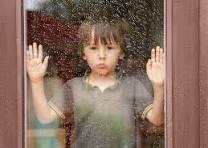
You look out the window and realize that noise you heard was rain… again! And it doesn’t want to stop any time soon. But you have a three or four-year-old who doesn’t understand why they can’t go outside and run and play. Now just imagine you have a room full of four-year-olds all getting agitated because they can’t go outside! That’s what’s been happening at St. Paul’s Day School.

Luckily, we have some talented teachers who have all sorts of tricks up their sleeves. Here are some of the things they do and suggestions for things you can do at home with your preschooler.

First things first, some physical movement is a must! I walked into our preK-3 classroom and there was a dance party going on! Little ones doing their best impressions of dancing skeletons with arms swinging back and forth. You can find lots of appropriate pre-k dance songs on YouTube or Spotify. Another alternative is Yoga… try Cosmic Kids Yoga! The kids get a story to go along with the poses!

Then when they’ve got the wiggles out, we love to play with playdough. Don’t have any at home? Your child will love making some with you! Here’s my favorite recipe for NO FAIL PLAYDOUGH that lasts 6 months:
1.5 cups flour
1/2 cup salt
2 teaspoons cream of  tartar
2 tablespoons oil
1 cup of boiling water
food coloring (optional but fun)

Mix the dry ingredients. (Little ones love pouring the dry ingredients into the big mixing bowl.) Then an ADULT does this part – Boil the water and pour it into a measuring cup. Add the oil to it and as much food coloring as you would like. Pour the water mixture into the dry ingredients.  Stir with a sturdy spoon.

Once it’s not too hot for a child to touch, they can do some stirring. When it starts to clump together and it’s not drippy, dump it on the table and an adult starts to knead. When it’s just the right temperature, your child can knead it too. It feels so good when it’s warm and the kids love to smell and squeeze it. (If it is too dry, add a few drops of boiled water, too wet, add a little flour.)

The cream of tartar (found in the spice section of the grocery store) is the secret. You’ll get smooth playdough that just begs for kids to come play! (Hint: If you have a stand mixer, this is even easier! Dry ingredients first, wet added gradually using a dough hook. It’s a cinch!) Store in an air-tight container!

Playdough is great for strengthening little hands for writing. And measuring is a great math skill. Creating shapes and “snakes” leads to all sorts of possibilities including making letters and numbers, and encouraging a child’s imagination and vocabulary.

And when your child is done playing with that, they can build. Use blocks or magna tiles or boxes. Anything that has flat sides is fair game! Your child will learn about balance and gravity and physics like we do at St. Paul’s Day School!

Story books are always a great way to not only pass the time, but to share special snuggle time and build literacy. Use funny voices, ask your child what they think will happen next and enjoy learning more about how your child sees the world.

Cook together! You’ll find that children will try new foods if they help cook them! And along the way you can talk about how many items you are cooking along with colors, shapes, smells, and textures. Practice positional words like: beside, behind, under, over, and on top.

Coloring and watercolors are fun on a rainy day! And dry erase markers work great on mirrors and windows (with some adult supervision.)

Games are good too… Candyland, Bingo, Jenga, Uno. Go for it!

Make each other laugh. It makes the day that much better!

Pro Tip from Mrs. Ryan:

Don’t hesitate to be silly around your child.  It builds strong bonds, relieves stress and teaches them emotional resilience!

Who’s Who in the School? (Part 1)

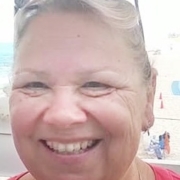
Have you met our wonderful teachers yet? Let’s pretend you are entering St. Paul’s Day School for the first time as a three-year-old… You walk into a cheerful classroom with tables and chairs just your size, lots of interesting books that you can touch any time you want, and fun posters and pictures on the walls. There are all sorts of toys to play with (your favorites!) You sit down on a bright colored rug, and you hear a voice say, “I’m so happy to meet you!” A smiling lady sits down next to you and says, “What’s your name? I’m Ms. Karen!” She listens as you tell her all about your Mom and Dad and your dog “Ruff” and she tells you all about the fun activities she has planned for your class and introduces you to your new best friend!

You see, Ms. Karen is skilled at social emotional growth as well as introducing PreK-3 students to letters, numbers, colors and shapes. She is an experienced and passionate Early Childhood Educator. Having worked with ages one to five, Ms. Karen understands that this time of life in a child’s development creates the foundation for all the learning to come. A child’s brain reaches 90% of its adult size by the age of 5. And because children learn more and faster at this time, we cannot waste time on empty “entertainment.”

Ms. Karen has practical experience with three children of her own. Ages 7 to 12. She’s been “knee deep” in education at home as well as school! Her own experience with unique learning styles gives her a deep understanding that children do not all process information the same way, at the same rate. So, she’s a creative partner in the discovery which is the way each individual child learns.

This all sounds very serious. But Ms. Karen also has the most contagious laugh, an impish sense of humor, a sweet and gentle heart and an artistic way of looking at the world. Three-year-olds love her silly songs, her fabulous storytelling and her willingness to get on the floor and play!