

Oh No! It’s raining… AGAIN!
You look out the window and realize that noise you heard was rain… again! And it doesn’t want to stop any time soon. But you have a three or four-year-old who doesn’t understand why they can’t go outside and run and play. Now just imagine you have a room full of four-year-olds all getting agitated because they can’t go outside! That’s what’s been happening at St. Paul’s Day School.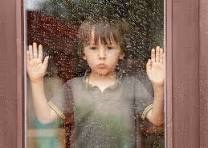
Luckily, we have some talented teachers who have all sorts of tricks up their sleeves. Here are some of the things they do and suggestions for things you can do at home with your preschooler.
First things first, some physical movement is a must! I walked into our preK-3 classroom and there was a dance party going on! Little ones doing their best impressions of dancing skeletons with arms swinging back and forth. You can find lots of appropriate pre-k dance songs on YouTube or Spotify. Another alternative is Yoga… try Cosmic Kids Yoga! The kids get a story to go along with the poses!
Then when they’ve got the wiggles out, we love to play with playdough. Don’t have any at home? Your child will love making some with you! Here’s my favorite recipe for NO FAIL PLAYDOUGH that lasts 6 months:
1.5 cups flour
1/2 cup salt
2 teaspoons cream of tartar
2 tablespoons oil
1 cup of boiling water
food coloring (optional but fun)
Mix the dry ingredients. (Little ones love pouring the dry ingredients into the big mixing bowl.) Then an ADULT does this part – Boil the water and pour it into a measuring cup. Add the oil to it and as much food coloring as you would like. Pour the water mixture into the dry ingredients. Stir with a sturdy spoon.
Once it’s not too hot for a child to touch, they can do some stirring. When it starts to clump together and it’s not drippy, dump it on the table and an adult starts to knead. When it’s just the right temperature, your child can knead it too. It feels so good when it’s warm and the kids love to smell and squeeze it. (If it is too dry, add a few drops of boiled water, too wet, add a little flour.)
The cream of tartar (found in the spice section of the grocery store) is the secret. You’ll get smooth playdough that just begs for kids to come play! (Hint: If you have a stand mixer, this is even easier! Dry ingredients first, wet added gradually using a dough hook. It’s a cinch!) Store in an air-tight container!
Playdough is great for strengthening little hands for writing. And measuring is a great math skill. Creating shapes and “snakes” leads to all sorts of possibilities including making letters and numbers, and encouraging a child’s imagination and vocabulary.
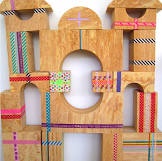
And when your child is done playing with that, they can build. Use blocks or magna tiles or boxes. Anything that has flat sides is fair game! Your child will learn about balance and gravity and physics like we do at St. Paul’s Day School!
Story books are always a great way to not only pass the time, but to share special snuggle time and build literacy. Use funny voices, ask your child what they think will happen next and enjoy learning more about how your child sees the world.
Cook together! You’ll find that children will try new foods if they help cook them! And along the way you can talk about how many items you are cooking along with colors, shapes, smells, and textures. Practice positional words like: beside, behind, under, over, and on top.
Coloring and watercolors are fun on a rainy day! And dry erase markers work great on mirrors and windows (with some adult supervision.)
Games are good too… Candyland, Bingo, Jenga, Uno. Go for it!
Make each other laugh. It makes the day that much better!
Pro Tip from Mrs. Ryan:
Don’t hesitate to be silly around your child. It builds strong bonds, relieves stress and teaches them emotional resilience!
 important for a child to have a solid early childhood education.